Our Holistic Approach to Lasting Change
We believe that ending extreme poverty requires more than just temporary aid—it requires a carefully sequenced, multisectoral strategy. Our community-based program is tailored to the unique realities of rural and semi-arid landscapes, giving vulnerable families the exact tools they need to break the poverty cycle for good.
1. Cash Transfers & Asset Building
We provide vulnerable households with direct, time-bound cash transfers. This critical consumption support acts as a safety net, ensuring families can meet basic needs while they begin investing in their financial future.
2. Business Training & Mentorship
We work directly with community members—particularly women and youth—to select and launch income-generating businesses. Participants receive comprehensive technical and entrepreneurial training, backed by local mentors who guide them through the day-to-day realities of running a small enterprise.
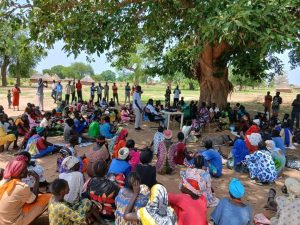
3. Community Savings Groups
Financial inclusion is the bedrock of our program. We organize participants into local self-help and savings groups. This allows them to pool their resources, access micro-loans, and build a localized financial safety net without relying on predatory lenders.
Agricultural Resilience in Remote Areas
For rural farmers facing erratic weather and systemic challenges, we provide the vital resilience tools needed to adapt and thrive.
-
- Climate-Smart Practices: We equip farmers with drought-resistant seeds, water-harvesting techniques, and sustainable farming education to ensure food security.
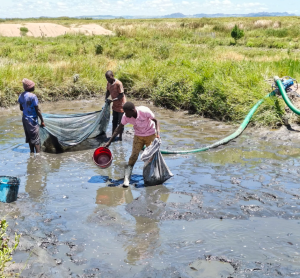
- Income Diversification: We help communities shift from bare-subsistence farming to profitable, market-driven micro-enterprises.
- Resource Management: We foster the knowledge required to protect land and water resources, ensuring farming operations can endure in dry climates.
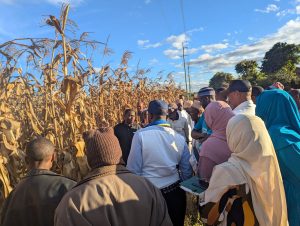
- Climate-Smart Practices: We equip farmers with drought-resistant seeds, water-harvesting techniques, and sustainable farming education to ensure food security.
Transforming Pastoralist Communities
Nomadic and semi-pastoralist herders are among the most marginalized rural populations, frequently threatened by environmental changes and unpredictable market dynamics. We are revolutionizing their economic stability by:
- Professional Cooperatives: Organizing pastoralist households into member-owned cooperatives to strengthen social cohesion and regional stability.
- Market Access: Connecting these pastoralist cooperatives to wider, fair-price markets, cutting out exploitative middlemen.
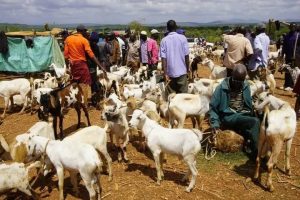
- Animal Health & Fodder Management: Facilitating training on climate-smart animal management, fodder production, and livestock health services to cushion incomes during droughts.